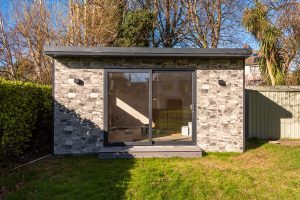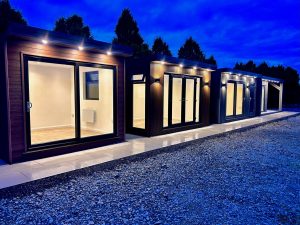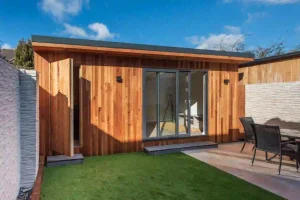
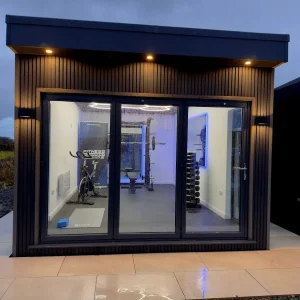
Working from home has changed how many homeowners think about space.A dining table or spare bedroom can provide a temporary desk, but separating work from the main house can make a dedicated garden room a more attractive long-term option.
Why Create a Separate Office?
A garden office can create a physical boundary between work and home life.Instead of packing away equipment at the end of the day, everything can remain in one dedicated space.This can also help households where another person is using the main home during working hours.
Insulation Comes First
A home office needs to be comfortable in changing weather.CG Garden Rooms describes its buildings as fully insulated and designed for year-round use, with applications including home offices, gyms and relaxation spaces.Proper insulation should be considered across the floor, walls and roof rather than focusing on one element.
Plan the Desk Position
Natural light is important in an office, but excessive glare can also become a problem.Think about where the desk will sit in relation to windows and doors.If video calls are part of the working day, consider the background visible on camera as well.
Plan Electrical Points
An office can require more power than homeowners initially expect.Computers, monitors, printers, lighting, chargers and heating all need to be considered.Planning sockets before construction is much easier than trying to add them afterwards.
Keep Work and Storage Organised
A dedicated office does not have to be large.Good storage can make a compact room significantly more practical.Wall-mounted shelves, cupboards and built-in storage can help keep paperwork and equipment organised without taking up excessive floor space.
Think About the Garden Route
Access is another practical consideration.The route from the house to the garden office should be convenient throughout the year. Lighting and suitable paving can make the journey easier during darker months.
Could the Room Have Another Purpose?
A garden office may eventually become something else.If circumstances change, the same space could become a hobby room, study, gym or relaxation area.A flexible layout can therefore be more useful than designing every detail around one specific piece of office furniture.
Professional Design Helps
CG Garden Rooms is a family-run business providing bespoke insulated garden rooms across Ireland and parts of the UK. The company describes its rooms as tailored to individual requirements and offers a design-and-installation process.
Think About Privacy and Sound
One of the main reasons for creating a separate garden office is to have a quieter place to work. Positioning the building away from busy parts of the garden can help create a more private environment.
Think about nearby roads, neighbouring properties and areas of the garden where children regularly play. The position of windows and doors can also influence privacy.
Sound should be considered during the design stage too. Insulation and the construction of the walls and roof can influence the internal acoustic environment, although the level of sound reduction will depend on the complete building specification and surrounding conditions.
Frequently Asked Questions
1. Can a garden room be used as a home office all year?
Yes, a properly designed and insulated garden room can be suitable for year-round use. The final level of comfort will depend on factors including insulation, heating, ventilation, windows, doors and the overall construction of the building.
2. What should I include in a garden office?
Useful features can include adequate electrical sockets, reliable internet access, suitable lighting, heating, ventilation and sufficient storage. Desk position and window placement should also be considered so the room remains comfortable during long working periods.
3. Can a garden office be used for something else in the future?
Yes. A flexible garden room does not have to remain an office permanently. Depending on its size and design, it would later become a hobby room, gym, study, guest space or relaxation area. Planning the interior around flexible use can make the investment more adaptable as your requirements change.
Final Thoughts
A home office should be designed around how you actually work.Consider insulation, daylight, electricity, storage, access and future flexibility before construction begins.For homeowners considering garden rooms NI, a purpose-built office can provide a practical workspace while keeping the main house available for everyday family life.